Capture Value Domestically
Licensing revenue, processing, port services and market access all determine how much ocean-derived value stays in the jurisdiction. Understanding where it leaks out is the first step to keeping it.
Join the Island Blue Economies course, an online learning programme starting on 13 October 2026, designed for professionals working in, with, or seeking to support island territories.
Why this course
For most Small Island Developing States and sub-national island jurisdictions, the sea is the primary economic asset, the main source of protein, the basis of the tourism product, and the route by which almost every imported good arrives. The question this course asks is an economic one: who owns ocean resources, who benefits from them, and what institutional arrangements determine the answer.
The blue economy is used to describe everything from industrial expansion of ocean extraction to community-controlled fisheries reform, and the difference matters for island communities. Over eight weeks, participants work through the ocean sectors that carry the most weight in island economies: fisheries governance and small-scale livelihoods, aquaculture and seaweed, marine spatial planning, blue finance instruments, and the maritime services economy. The course closes on national blue economy strategies and why so many stall between publication and delivery.
Licensing revenue, processing, port services and market access all determine how much ocean-derived value stays in the jurisdiction. Understanding where it leaks out is the first step to keeping it.
Small administrations are responsible for vast maritime zones. This course covers the monitoring, planning and enforcement arrangements that make that governable in practice.
Small-scale fisheries employ most people working in island fisheries and supply most of the fish eaten domestically. Better infrastructure, organisation and market access raise incomes across coastal communities.


The course details
Ocean governance challenges are rarely solved alone. Throughout the programme, participants engage directly with peers, practitioners, policymakers, researchers and sustainability professionals working across island communities worldwide. Every cohort brings together people working on the same challenges from different corners of the world, creating a space for knowledge exchange and lasting professional connections.
Masterclass leaders
The course is taught through live case studies and real-world examples, led by practitioners, policymakers and specialists working across island and coastal communities worldwide.
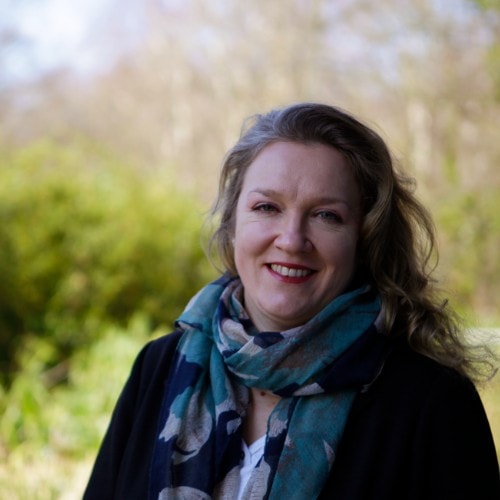
The Blue Economy Bridge-Builder
Turning ocean conservation into a global framework for sustainable finance.
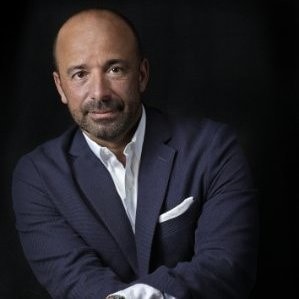
The Ocean Law Architect
Shaping the international legal architecture that governs our oceans.
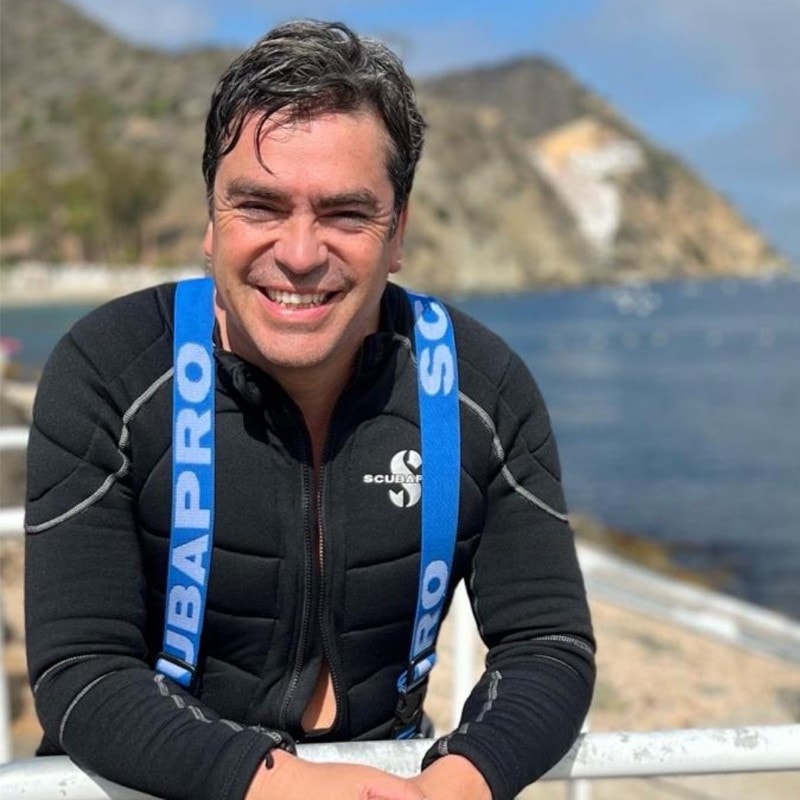
The Marine Protection Diplomat
Turning ocean policy expertise into millions of square kilometres of protected waters.
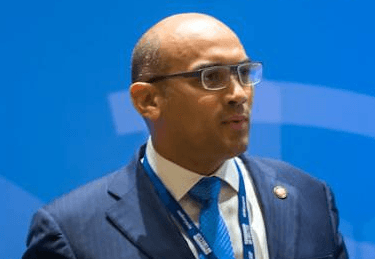
The Small Island Advocate
Championing the interests of small island states on the world's biggest ocean stages.
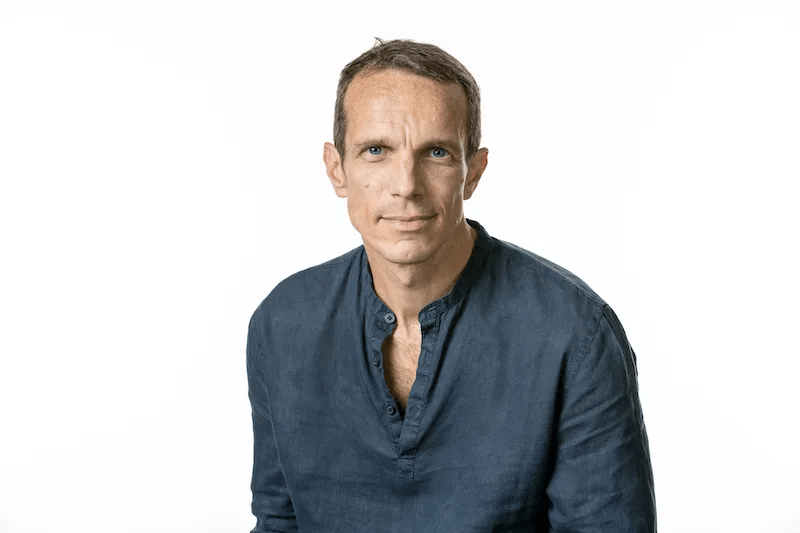
The Seaweed Revolution Pioneer
Building a global movement around seaweed's potential to transform food, climate, and industry.
Learn actionable strategies and frameworks designed for island contexts, from circular waste systems and regenerative food production to blue economy innovation and circular finance.
Build lasting professional relationships through structured networking, connecting with peers, experts, and decision-makers from across the global island sustainability ecosystem.
Engage directly with guest experts driving circular economy implementation in island and coastal contexts worldwide.
Participate in our weekly 90-minute live sessions every Tuesday from 13th October to 1st December 2026, 13:00 to 14:30 BST, moving to 13:00 to 14:30 GMT from 27th October.
Real people. Real impact. Alumni from our other capacity-building programmes share how our courses helped them drive change across their islands


One ticket gives you full access to the eight-week programme. Reserve your place and we'll collect participant details before payment.
Full programme access
Per participant
$199.00
Full programme access
ISDP Certificate · 4th Edition · 8 weeks · Online · English
Island Innovation offers scholarships to support early- to mid-career professionals (2-5 years' experience) who are driving innovation and impact in their island communities. These scholarships aim to expand participants' expertise, leadership skills, and networks to advance sustainable island futures.
Ideal candidates are:
Applicants must submit an online application form including:
Scholarships will be awarded based on:
By removing cost barriers, this scholarship increases accessibility for high-potential changemakers in under-resourced island communities, enriches the course with diverse perspectives, and builds long-term connections among emerging leaders.
The programme
The Island Sustainable Development Professionals (ISDP) Programme is Island Innovation’s flagship professional development programme, designed to equip current and emerging leaders with the knowledge, skills and global networks needed to advance sustainable development in island communities. Through expert-led training, peer learning and real-world case studies, participants engage with some of the most pressing issues facing islands today – from climate resilience and the blue economy to food and water security, energy transitions, circular economy and sustainable governance. Each course combines practical insights with island-led solutions, connecting participants with leading practitioners, policymakers and researchers from around the world. By the end of the programme, participants leave with actionable knowledge, practical tools and a global network of peers working to build more resilient, regenerative and prosperous island communities.
The ISDP Masterclass Series
October 2025
Delivered over eight weeks between October and December 2025, this was the first course in the ISDP Masterclass Series. It brought together professionals working in sustainable development, climate action, energy and finance across island contexts to move from strategy to funded projects. Sessions covered the strategic foundations of island sustainability, climate finance and the Bridgetown Initiative, legal and financial tools for blue economy projects, proposal design and logframes, circularity, and leadership. Participants closed the course with a project blueprint developed through peer and expert feedback. Speakers came from Barbados, Seychelles, South Africa and the United Kingdom.
 Angelique Pouponneau
 Kumi Naidoo
 Dr. Pepukaye Bardouille
 Martin Koehring
 Gillian Charles-Gollop
 James Ellsmoor
February 2026
Running for eight weeks from February to April 2026, this course examined how island territories can build clean, resilient and inclusive energy systems while reducing dependence on imported fossil fuels. Our weekly sessions covered the economics of small-scale energy systems through microgrid and hybrid design, regulatory frameworks and tariff reform, marine renewables, and climate finance from development banks. The final weeks turned to delivery, with case studies from the Estonian islands, La Palma, the Pacific and the Aran Islands.
 James Ellsmoor
 Melanie Chen
 Eugene Tiah
 Jose Joaquin Hernandez Brito
 Dr. Peter Lilienthal
 Therese Turner-Jones
 Sulev Alajõe
 Paul Makumbe
 Nuria Albet
 Avril Ní Shearcaigh
 Maria Trogolo
July 2026
The third course in the ISDP Masterclass Series treated circularity as an economic strategy rather than a waste problem alone, examining how island jurisdictions can move from linear take-make-waste systems towards regenerative circular economies. Over eight weeks between July and September 2026, participants worked through materials recovery and community biodigestion, tourism and visitor economies, food sovereignty and regenerative agriculture, the blue circular economy, investment readiness, circular construction, and community-led implementation. Sessions were led by Maggie Lee, Julia Martínez Cabrera, Stefanos Fotiou, Peter Manyara, Carla Gautier, Ruth Viola Spencer and Henry Obispo, alongside the Caribbean Biodiversity Fund's ACE team. Completing participants received an Island Innovation Certificate of Professional Development.
 Maggie Lee
 Julia Martínez Cabrera
 Stefanos Fotiou
 Peter Manyara
 Carla Gautier
 Ruth Viola Spencer
 Henry Obispo
Join a global cohort of island practitioners and build the skills to grow your island’s ocean economy. Places are limited, so reserve yours today!
Enrol now