VIS 2026VIS 2026 — Virtual Island Summit|Also: GSIS 2027GSIS 2027
Island Innovation Logo
About
Services
The Network
Events
Content Library
Contact Us

Subscribe to our newsletter. By submitting, you agree to our Privacy Policy.

Island Innovation

Island Innovation works with governments, institutions, and partners worldwide to support island-led sustainable economic development.

We Support The UN Development Goals

SDG 9: Industry, Innovation and Infrastructure
SDG 11: Sustainable Cities and Communities
SDG 12: Responsible Consumption and Production
SDG 13: Climate Action
SDG 14: Life Below Water
SDG 17: Partnerships for the Goals

Explore

AboutServicesNetworkEvents

Content

ArticlesNewsCareers

Ready to Connect?

Join the island innovation community

Get in Touch

About

  • About us
  • Case Studies
  • FAQs
  • Press
  • Careers
  • Contact

Services

  • Services Overview
  • Public & Media Relations
  • Strategic Communications

Network

  • The Island Network
  • Academic Council
  • Newsletter

Events

  • Our Events
  • Watch Past Events

Content

  • All Content Library
  • Videos
  • Articles
  • News
Privacy PolicyTerms of ServiceContact

© 2025 Island Innovation. All rights reserved.

    News

    Curated stories and analysis from islands and sustainability leaders worldwide.

    Filter by Core Theme

    All ThemesCircular EconomyClimate ActionConnectivity & DigitizationCulture & CommunityEnergy & TransportGreen Finance & EconomyOcean & BiodiversityPolicy & GovernanceTourism & Remote WorkWater & Food
    Showing 9 of 2076 news items
    A New Chapter for Students' Health Begins in Zanzibar
    Culture & CommunityJune 25, 2026

    A New Chapter for Students' Health Begins in Zanzibar

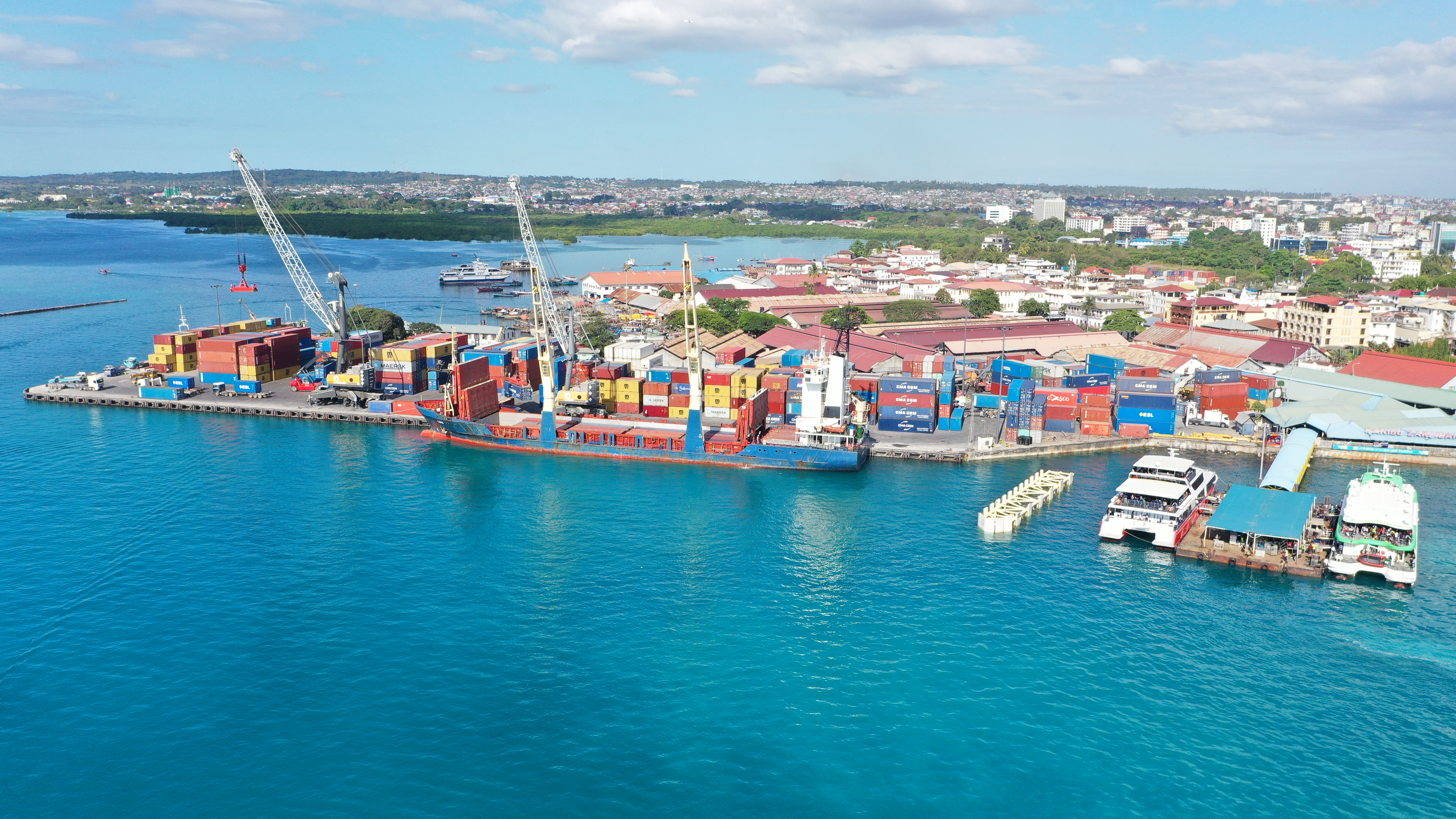
    On Tuesday, 14 April 2026, Zanzibar marked a major milestone in advancing students' health and well-being as UNESCO, in partnership with WHO, the Ministry of Education & Vocational Training, and the Ministry of Health, officially launched the Global School-Based Student Health Survey (GSHS) and the Global School Health Policies and Practices Survey (G-SHPPS) 2025 report. The surveys were conducted in 2024/25 as part of ongoing UNESCO efforts to drive healthier learning environments and improve student well-being by generating key data to inform policies, strengthen school health systems, and guide evidence-based interventions.

    Read more
    Svalbard Global Seed Vault, Princess of Asturias Award for International Cooperation 2026
    12345678910
    Water & FoodJune 25, 2026

    Svalbard Global Seed Vault, Princess of Asturias Award for International Cooperation 2026

    The Svalbard Global Seed Vault in Norway has been granted the 2026 Princess of Asturias Award for International Cooperation, as announced today by the Jury responsible for conferring said Award. Convened by the Princess of Asturias Foundation, the Jury for this Award was chaired by Gustavo Suarez-Pertierra and composed of several members. This candidature was put forward by Manuel Toharia Cortes, Jury member for the 2026 Princess of Asturias Award for Technical and Scientific Research. The Svalbard Global Seed Vault is an underground seed bank located on the island of Spitsbergen, in the Norwegian archipelago of Svalbard. Opened in 2008, it occupies an area of more than a thousand square metres, spread over three warehouses. Its goal is to safeguard the diversity of crop seeds in order to guarantee future supply in case of loss due to natural disasters, human conflicts, policy changes, mismanagement or any other circumstance. The Svalbard Global Seed Vault is owned and administered by the Ministry of Agriculture and Food on behalf of the Kingdom of Norway. The Nordic Genetic Resources Center (NordGen) operates the facility and maintains a public online database of samples stored in the Vault. The Crop Trust provides financial support for Seed Vault operations and seed deposits from developing countries. Former Secretary-General of the United Nations Ban Ki-moon described the Vault as a "global insurance policy" and a "gift to humanity and a symbol of peace" during a visit to Svalbard in 2009. With a humanitarian purpose, the Svalbard Global Seed Vault is part of the United Nations Food and Agriculture Organization (FAO) international system for the conservation of plant genetic resources.

    Read more
    Island Solar Project Will Help Tackle Fuel Poverty
    Energy & TransportJune 25, 2026

    Island Solar Project Will Help Tackle Fuel Poverty

    A North Ayrshire Council partnership project has seen more than 30 homes on Great Cumbrae being fitted with solar panels and battery storage systems. The Millport Solar PV and Battery Project is a community-led, phased programme with three aims: reducing Scope 2 carbon emissions - resulting from grid-supplied electricity; tackling fuel poverty and; building local energy resilience. It is part of the Carbon Neutral Islands (CNI) Project, which is a Scottish Government programme for government commitment, supporting six islands with the aim to demonstrate the climate-resilience and low carbon potential of islands. The latest phase alone is expected to mitigate approximately 24 tonnes of CO2 emissions in its first year, contributing to the island's decarbonisation goals as well as financial savings of over £20,000. This has been a highly successful partnership, managed by the Council's Energy and Sustainability team, locally led by Carbon Neutral Cumbrae and supported by Scottish Government Island's Programme funding. Installation works have been carried out by energy services company Union Technical, who completed 31 installations during the latest phase. Councillor Eleanor Collier visited Millport on 27 May to celebrate the progression of energy resilience on the island and see first-hand the impact of the latest phase of the island's flagship energy retrofit programme.

    Read more
    Teeming with Turtles: Cabo Verde Island Sees 80-Fold Increase in Nesting Loggerheads
    Ocean & BiodiversityJune 25, 2026

    Teeming with Turtles: Cabo Verde Island Sees 80-Fold Increase in Nesting Loggerheads

    In 2018, night patrol teams on Boa Vista, the third-largest island in the Cabo Verde archipelago, started noticing a change along the beaches: The loggerhead turtles were arriving in significantly larger numbers than usual. In previous years, each team, comprised of staff and volunteers from local conservation NGO Cabo Verde Natura 2000 (CVN2), encountered between five and 10 female turtles (Caretta caretta) a night. But now, the teams were each recording between 20 and 30 females a night. By 2021, that number had grown to between 30 and 40. A recent study published in Biological Conservation confirms the upward trend: An 80-fold increase in the population of loggerheads nesting at three of Boa Vista's beaches over 27 years, from 1998 to 2024. The authors of this first long-term study of Cabo Verde's nesting loggerheads ascribe the remarkable trend to decades-long conservation efforts at the local and national level. Loggerheads, which primarily inhabit temperate and subtropical regions of the Pacific, Atlantic and Indian oceans and the Mediterranean Sea, are long-lived, slow-maturing migratory animals. With a lifespan of 80 years or more, female loggerheads take decades to reach sexual maturity. The global loggerhead population has declined by 47% over the past three generations, according to the last IUCN Red List assessment, where it remains listed as a globally 'vulnerable' species. The IUCN, the global wildlife conservation authority, largely attributes this decline to anthropogenic pressures such as habitat loss, marine pollution, bycatch, poaching and multiple climate change-driven impacts. Relative to other global loggerhead nesting sites, the numbers at Boa Vista are striking. Whereas biologists have recorded up to 600 nests per kilometer (0.62 mile) at sites in the U.S. state of Florida and in Oman (the only other sites with more than 10,000 females nesting per year), the new study found that the three largest nesting sites at Boa Vista reached a whopping 22,000 nests per kilometer in 2021.

    Read more
    Jeju Farmcation Officially Launched, Blends Rural Labour and Tourism
    Tourism & Remote WorkJune 25, 2026

    Jeju Farmcation Officially Launched, Blends Rural Labour and Tourism

    Based on the successful response to last year's pilot project, Jeju Special Self-Governing Province has officially launched the "Jeju Tamnaneun Nongcation" program as a full-fledged initiative this year. This win-win program allows participants to assist with farm work in the morning and enjoy stay-type tourism in the afternoon. Starting with the first schedule for Honam University students on June 24, Jeju plans to sequentially attract more than 1,000 university students and office workers from across the country. The goal is to simultaneously address the labor shortage in rural areas and expand local consumption within the province. "Jeju Tamnaneun Nongcation" is a win-win financial support program that allows people from outside Jeju to stay on the island for a short period, experience the local farming environment, and provide much-needed labor to farms. In return, participants are given free time in the afternoon to enjoy tourism and relaxation. On June 24, the first official day of the program this year, 73 university students from the Honam University General Club Association began assisting local farms by harvesting seasonal crops such as Chodang corn and pumpkins and helping organize workspaces. Jeju Province explained that, following Honam University, large-scale participation from students at key universities nationwide - including Pusan National University, Changwon National University, and Gyeongsang National University - has been confirmed for the summer vacation period. As an incentive for their support of local farms, program participants receive "Tamnaneun Jeon," a regional currency specific to Jeju. This measure is designed to ensure that the incentives are used as direct spending resources when participants visit restaurants, markets, or tourism content on the island in the afternoon. By doing so, the volunteer activity seamlessly leads to the revitalization of local businesses, establishing an organic virtuous cycle.

    Read more
    Palau Study Shows First-Ever Evidence of Seabird-Driven Land-Sea Recovery
    Ocean & BiodiversityJune 25, 2026

    Palau Study Shows First-Ever Evidence of Seabird-Driven Land-Sea Recovery

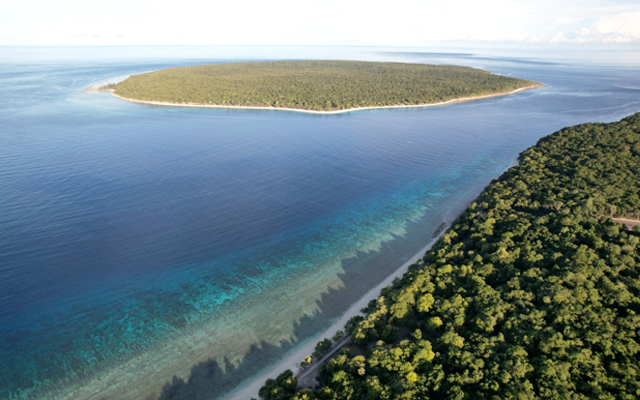
    Data from Ulong Island, Koror Republic of Palau shows that seabirds are returning, nutrients are moving from land to sea, and nearby reefs are beginning to rebound just one year after invasive rats were removed, providing evidence that holistic island restoration can deliver benefits to coral reef ecosystems far sooner than previously understood. This research, conducted as part of the Island-Ocean Connection Challenge (IOCC), is the world's first experimental study demonstrating that seabird recovery following invasive rodent removal drives nutrient transfer from land to reef, confirming prior observational findings that restored islands benefit their surrounding ecosystems. "Seeing measurable ecological change just one year after restoration is extraordinary," said Coral Wolf, Conservation Impact Program Manager at Island Conservation. "It demonstrates the power of local leadership and science working together to heal island ecosystems from ridge to reef." Island Conservation and Scripps Institution of Oceanography at UC San Diego monitored Ulong Island before and after the operation on land and in the sea to track seabirds, nutrients, reef fishes, and benthic communities. The IOCC is a volunteer collective founded by Island Conservation, Scripps Institution of Oceanography, and Re:wild to restore and rewild 40 globally significant island-ocean ecosystems by 2030, one of which is Ulong. The IOCC aims to demonstrate the connections between healthy islands and healthy oceans. Early indicators point to strong biological rebounds. Detections of the rare, endangered Palau Ground Dove increased, and seabird activity surged - Bridled Tern calls rose by 286%, while Brown Noddy and White Tern calls increased by roughly 50% compared to the control island Ngeruktabel, which is a nearby similar island with invasive rats and no eradication. These shifts suggest that seabirds are beginning to return and resume their role as nutrient "connectors" between land and sea.

    Read more
    New Law Could Allow Mackinac Island to Regulate Ferry Fares, Surcharges
    Policy & GovernanceJune 25, 2026

    New Law Could Allow Mackinac Island to Regulate Ferry Fares, Surcharges

    Mackinac Island could regulate ferry operations that carry people to and from the popular tourist destination under a bill signed Wednesday by Governor Gretchen Whitmer. The new law would allow the island to assume more authority over fares, baggage handling fees and parking rates on ferry routes. "Mackinac Island is Michigan's gem, and ferry service to get there should be accessible and affordable," Whitmer said in a statement. "Tariffs and the war overseas are already making things more expensive for Michiganders. They shouldn't have to face additional costs just to enjoy one of our state's most beautiful places. Let's keep working together to lower costs for Michiganders and keep Mackinac Island accessible to both its residents and the 1.2 million people who visit it every year." The law is a response to Florida-based Hoffman Marine assuming control over the two remaining Mackinac ferry operations, Shepler's Mackinac Island Ferry and Arnold Transit Company. Tourism organizations and local businesses say the de-facto monopoly has allowed the company to jack up fees and surcharges on customers. The city has filed a federal lawsuit.

    Read more
    Why Sustainable Alternatives to Plastic Are Struggling to Compete
    Circular EconomyJune 25, 2026

    Why Sustainable Alternatives to Plastic Are Struggling to Compete

    Plastic pollution is choking the ocean, but sustainable alternatives - including seaweed - remain held back by tariffs, fragmented regulations and the overwhelming market advantage enjoyed by fossil fuel-based plastics. Only 10 per cent of all plastics produced are recycled, so most plastics will end up littering streets, entering waterways and reaching the ocean. Each year, some 52 million tonnes of plastic waste enter the ocean, where it stays and affects more than 4,000 marine species. A blue whale, the world's largest mammal, can consume up to 10 million microplastic pieces daily, equivalent to about 43 kilograms. To tackle plastic pollution, material innovation, increasing alternatives to single-use plastic and reducing production are essential, according to the latest World Ocean Assessment, which was released on Monday. For the past six years, the international community has been working toward a global plastics treaty that could cap plastic production and help "turn the tap off" on an industry valued at more than $1.1 trillion in 2023. Negotiations are ongoing, with the next round of talks scheduled for 13 to 24 March 2027. In the meantime, sustainable alternatives to plastics could help to reduce our global dependence, curbing the pernicious effects of plastic pollution on our oceans. However, alternatives must still overcome several major obstacles.

    Read more
    The European Commission Launches the First Strategic Framework for Islands
    Policy & GovernanceJune 18, 2026

    The European Commission Launches the First Strategic Framework for Islands

    Brussels – "For the first time, the European Union has adopted specific strategic frameworks for its island and coastal regions." This was announced today (10 June) by the Executive Vice-President for Cohesion and Reforms, Raffaele Fitto, on the occasion of the adoption of the EU's first strategies for islands and coastal communities. Fitto explained that the two plans have been introduced because the European Union comprises three coastal Member States (Cyprus, Ireland and Malta) and 4,000 islands, where, according to Commission estimates, 17 million people live. "The islands face challenges similar to those of other European territories, yet the impact is often exacerbated by a specific condition: insularity," the Vice-President pointed out, emphasising that the issue is not merely "a geographical fact," but a real economic cost. "The cost of insularity," explained Fitto, is a figure "that millions of EU citizens and businesses pay every day simply because of where they live and operate, with a consequent long-term structural negative effect on their income and competitiveness." According to the data presented by the Commission, compared to the mainland, transport costs on islands can be 300 per cent higher, public spending 30–50 per cent higher, and house prices 75–130 per cent higher. Most European islands have a GDP of 70 per cent of the EU average. In Italy, it is estimated that insularity can reduce GDP in Sicily by 7 per cent and in Sardinia by up to 36 per cent. As for employment rates, the average for the islands is 59 per cent of the EU average. The strategy for the islands is therefore structured around four key pillars: economic development, connectivity, competitiveness, and innovation; energy security, environmental protection, and climate resilience; community and demography; security and crisis preparedness. On this point, Fitto reiterated that "the scope of this strategy has not been defined in Brussels" and that the strategies are "the result of an in-depth and ongoing dialogue with local areas and communities" after the executive had, in recent months, "organised meetings, missions, and discussions across Europe and in Brussels and issued a formal call for contributions, in which 358 stakeholders from 18 Member States took part."

    Read more